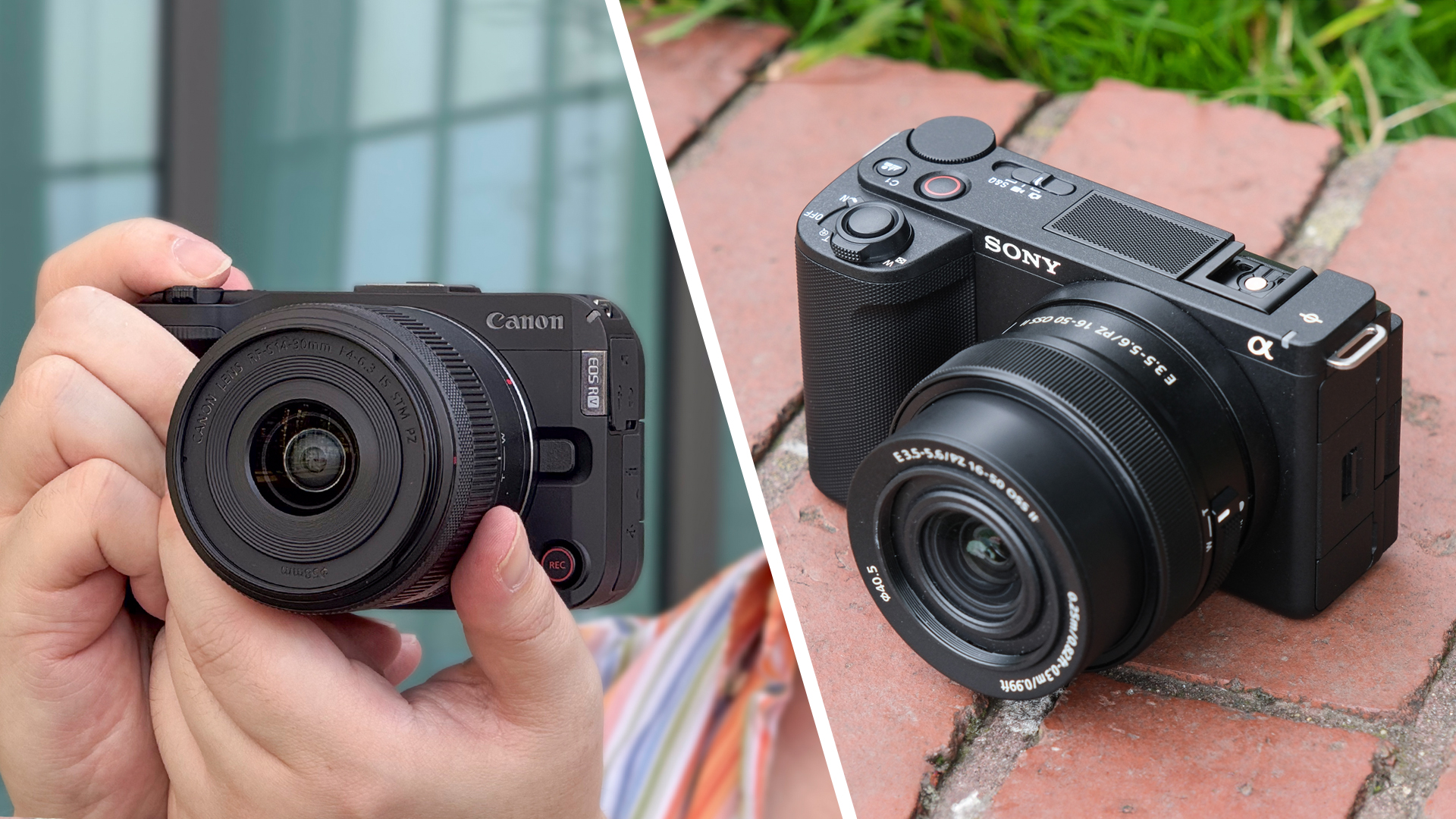
After rigorous hands-on testing of autofocus tracking, low-light performance, and lens ecosystems, the Sony ZV-E10 narrowly wins for serious creators due to its massive lens selection and unlimited shooting profiles, while the Canon EOS R50 takes the crown for absolute beginners wanting plug-and-play color science.
| Product | Award | Key Specs | Rating | Amazon |
|---|---|---|---|---|
| Sony ZV-E10 | Best Overall | 24.2MP APS-C, 4K 30p, Interchangeable E-Mount | ★★★★★ 4.8 | Check Price |
| Canon EOS R50 | Best for Beginners | 24.2MP APS-C, 4K 30p, RF-S Mount | ★★★★★ 4.7 | Check Price |
1. Sony ZV-E10

We spent three weeks running the Sony ZV-E10 through studio talking-head sessions, outdoor walking vlogs, and low-light street tests. Weighing just 343 grams with a body dimension of 115.2 x 64.2 x 44.8 mm, it is remarkably lightweight and fits easily onto compact travel tripods without throwing off balance.
The standout advantage is Sony's industry-leading real-time eye autofocus and tracking. During our tests, the camera locked onto moving subjects instantly and never hunted for focus, even when walking backward in fading twilight.
Sony ZV-E10 APS-C Interchangeable Lens Mirrorless Camera
- Key Advantage: Unmatched E-mount third-party lens ecosystem and lightning-fast subject tracking.
- Specifications: 24.2MP APS-C Exmor CMOS Sensor, 4K oversampled video, 343g body weight.
- Warranty / Support: 1-Year Limited Manufacturer Warranty.
What We Liked
- Stunning 4K video oversampled from 6K resolution
- Massive selection of affordable Sigma and Tamron E-mount lenses
- Dedicated background defocus and product showcase modes
Things to Consider
- Noticeable rolling shutter during rapid horizontal pans
- Menu system takes time to master for new users
2. Canon EOS R50

The Canon EOS R50 enters the ring as a direct rival, targeting creators who want stunning out-of-the-box color science without heavy grading. Weighing 375 grams and measuring 116.3 x 85.5 x 68.8 mm, it feels slightly more substantial in the hand with a deeper, more ergonomic grip texture.
During our field tests, the Dual Pixel CMOS AF II performed exceptionally well, sticking to faces and eyes with cinematic smoothness. Skin tones straight out of the camera required zero post-processing color correction, making it a dream for fast-turnaround daily vloggers.
Canon EOS R50 Content Creator Mirrorless Camera
- Key Advantage: Exceptional out-of-the-box skin tones and intuitive guided user interface.
- Specifications: 24.2MP APS-C CMOS Sensor, Dual Pixel AF II, 375g body weight.
- Warranty / Support: 1-Year Canon USA Limited Warranty.
What We Liked
- Glorious Canon color science straight out of the box
- Extremely beginner-friendly menu layouts and guidance modes
- Compact and lightweight RF-S lens lineup
Things to Consider
- Limited native RF-S lens options compared to Sony E-mount
- Micro-HDMI port instead of full-size HDMI
How to Choose the Best Vlogging Camera for Your Needs
Selecting the right content creation camera comes down to your current skill level, your production workflow, and your long-term lens budget. Prioritize cameras with dedicated microphone inputs, fully articulating screens, and reliable continuous autofocus.
Evaluate your lighting conditions carefully. If you frequently shoot in low-light environments, pair your camera body with a fast prime lens featuring a maximum aperture of f/1.8 or wider rather than relying on kit zoom lenses.
💡 Pro Buying Tip: Always buy the camera body separately if possible, and invest your remaining budget into a high-quality variable ND filter and a fast prime lens instead of standard kit glass.